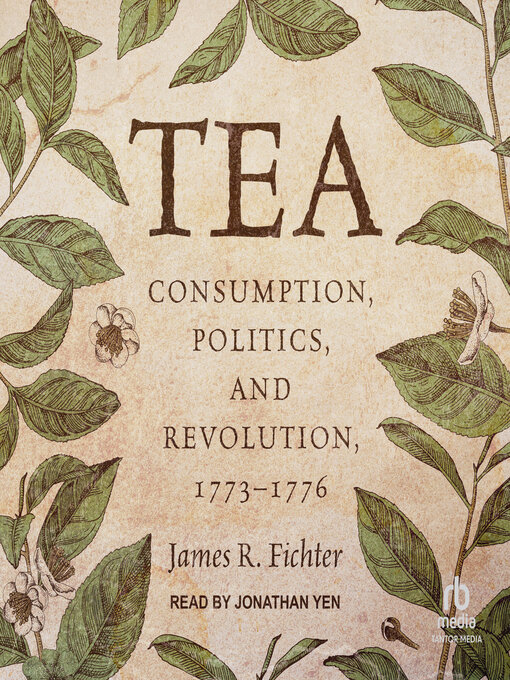
Tea protests were widespread in 1774, but, Fichter argues, so were tea advertisements and tea sales. Such protests were noisy and sometimes misleading performances, not clear signs that tea consumption was unpopular. Revolutionaries vilified tea in their propaganda and prohibited the importation and consumption of tea and British goods. Yet merchant ledgers reveal these goods were still widely sold and consumed in 1775. Colonists supported Patriots more than they abided by non-consumption. When Congress ended its prohibition against tea in 1776, it reasoned that the ban was too widely violated to enforce. War was a more effective means to resist Parliament, after all, than was a boycott, and as rebel arms advanced, Patriots seized and used tea and other goods Britons left behind. By 1776 protesters sought tea, and, objecting to its high price, they redistributed rather than destroyed it. But as Fichter demonstrates in Tea, the commodity was not, by then, a symbol of the British state, but of American consumerism.
-
Creators
-
Publisher
-
Release date
December 15, 2023 -
Formats
-
OverDrive Listen audiobook
- ISBN: 9798350866612
- File size: 409269 KB
- Duration: 14:12:38
-
-
subjects
-
Languages
- English
Why is availability limited?
×Availability can change throughout the month based on the library's budget. You can still place a hold on the title, and your hold will be automatically filled as soon as the title is available again.
The Kindle Book format for this title is not supported on:
×Read-along ebook
×The OverDrive Read format of this ebook has professional narration that plays while you read in your browser. Learn more here.